


For a long time, hiring was simple.
You needed help, you posted a job, someone came into the office, and that was your team.
But the way businesses work has changed. A lot.
These days many companies are building offshore teams — remote professionals working from places like the Philippines — and it’s not just big corporations doing it.
Startups. Agencies. E-commerce brands. Even small businesses.
So the real question isn’t “Is outsourcing real?”
The question is when it makes sense.
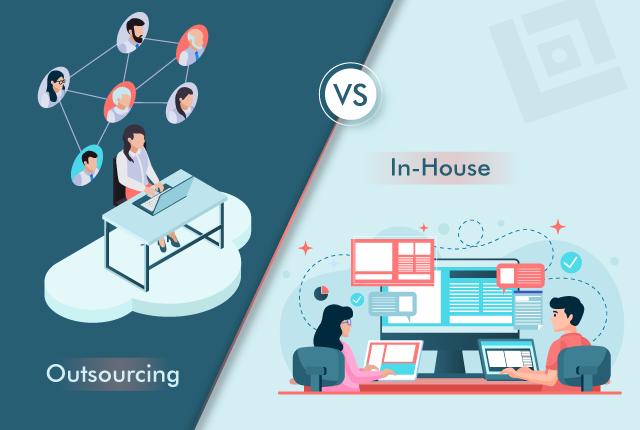
Having people in the office definitely has its advantages.
You can talk face-to-face. Collaboration can feel easier. And there’s something nice about building a team in the same space.
But it also comes with a lot of costs:
For growing businesses, those costs add up quickly.
An offshore team works remotely but functions like an extension of your company.
And the benefits are hard to ignore.
You get access to a larger talent pool. Hiring is faster. And operational costs are significantly lower.
Countries like the Philippines have become global outsourcing hubs because the workforce is skilled, highly professional, and fluent in English.
Honestly? Most businesses today do a mix of both.
Core leadership stays in-house. Operational support is outsourced.
It’s a practical balance that helps companies stay flexible while still growing.
And with the right outsourcing partner, your offshore team doesn’t feel “far away” at all — they feel like part of the company.
Insights that are making an impact

At Regent BP, we combine the best of Filipino hosp...

At Regent BP, we believe work should be more than...
There’s usually a moment. You’re answering emails...
Business Process Outsourcing
Delivered to your inbox monthly


We build and manage high-performing teams in the Philippines, so you can focus on growth. Australian owned, Filipino managed. Globally competitive.

 marketing@regent.com.ph
 703 The Globe Tower Cebu Business Park Cebu City, 6000